
Horror has never been just about scares.
Sure, it’s the creak of a floorboard, the whisper in the dark, the shadow that lingers just a second too long—but beneath all of that, horror has always been a reflection. A mirror held up to our society, our fears, and the cultural unease simmering just below the surface.
In recent years, some have claimed horror has become “too woke.” That it’s lost its edge or its fun because it’s trying to say something. But here’s the thing:
Horror has always said something. And when it does, it usually says it with more guts—literally and figuratively—than any other genre.
Let’s talk about how horror has always been in dialogue with its time. If we look back across the decades, we don’t see a genre that suddenly woke up—we see one that’s never been asleep.
What Do We Mean by “Woke”?
Let’s clarify the term, because it’s become a political hot potato.
At its core, “woke” simply means being socially aware—conscious of injustice, systemic inequality, or cultural issues that are often ignored. That awareness makes some people uncomfortable, especially when it challenges the status quo. But discomfort is horror’s bread and butter.
To say horror “got woke” is to ignore the fact that it’s been wide awake since the beginning.
The Monsters Were Always Metaphors
1930s–40s: Repression and the Fear of the Other
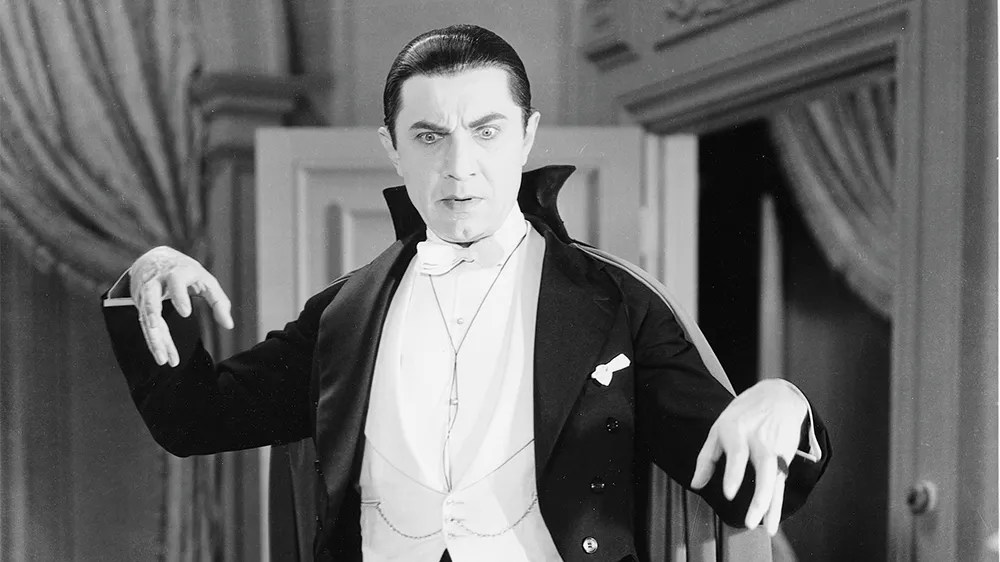
Dracula wasn’t just a vampire—he was the foreign seducer, threatening conservative norms with sensuality and danger.
Frankenstein’s monster was a tragic consequence of hubris, science without empathy. These early monsters weren’t mindless—they reflected sexual repression, scientific anxiety, and the fears society tried hardest to hide.
Even then, horror was asking big questions about who gets to belong, what makes someone human, and what happens when we tamper with nature or morality.
1950s–60s: Atomic Nightmares
The nuclear age gave us irradiated creatures and alien invaders. Godzilla emerged as a walking metaphor for nuclear devastation, a direct reaction to Japan’s trauma after Hiroshima and Nagasaki.
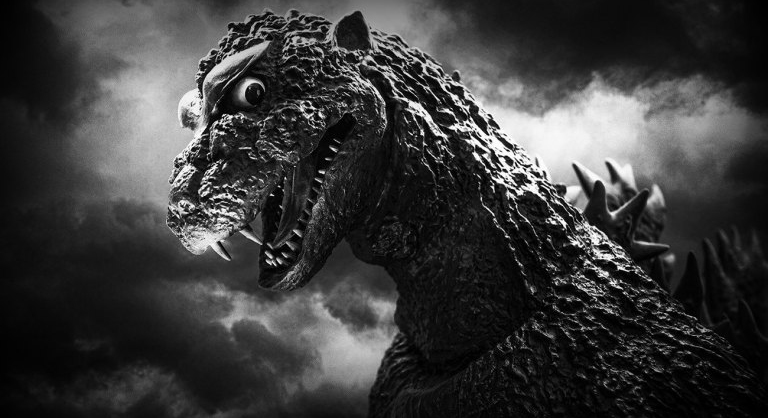
In America, giant bugs and body-snatching aliens spoke to Cold War paranoia, the anxiety of lost identity, and fears about the catastrophic power of unchecked technology.
It was horror as a response to global trauma, technology outpacing ethics, and a planet holding its breath under the shadow of the mushroom cloud.
1968–70s: Civil Rights, Class, and the Shattered American Dream
This is where the mirror cracked wide open.

George A. Romero’s Night of the Living Dead (1968) cast a Black protagonist not because of politics, but because Duane Jones was the best actor for the part.
Still, the film’s ending—where that character is mistaken for a ghoul and shot by a white posse—landed like a hammer in the middle of the Civil Rights era.
Whether intended or not, the message landed clearly: Black survival wasn’t guaranteed—even if you’d done everything right. It spoke volumes about systemic violence and racial injustice at the height of the civil rights movement.
Around this same time, horror began turning its gaze inward. The Texas ChainSaw Massacre wasn’t just about a family of cannibals—it was about the rot of American capitalism, the abandonment of rural workers, and the aftermath of a generation tossed aside. But yeah, also cannibals.

1980s: Slashers and the Breakdown of the Suburban Myth
Slashers like Halloween, Friday the 13th, and A Nightmare on Elm Street stalked their way into suburban America, reflecting anxieties around white flight, repressed guilt, and generational neglect. Michael Myers wasn’t just a killer—he was the specter haunting the supposedly safe suburban dream. A Nightmare on Elm Street targeted the children of repressed, rule-following parents, haunted by the sins they tried to bury.

Carpenter’s They Live went even further—satirizing consumerism and capitalism directly. A working-class drifter puts on magical sunglasses and sees the truth hidden in plain sight: OBEY. CONSUME. SUBMIT.
It was brilliant, subversive horror—awake before “woke” was a conversation.
1990s–2000s: Identity and the Age of Surveillance
The ’90s explored postmodern anxiety—Scream asked what it meant to grow up with fictional violence as entertainment. Candyman (1992) blended urban legends with the harsh realities of gentrification, racial injustice, and historical trauma.

By the 2000s, horror got digital. Found footage, from The Blair Witch Project to Paranormal Activity, reflected our obsession with surveillance, self-documentation, and the inability to distinguish reality from performance. We weren’t just afraid of ghosts—we were afraid of watching ourselves fall apart on tape.
2010s–2020s: Tech Dread, Identity, and Social Pressure
Now, we’re deep into what I’d call identity horror—where the monster is the self we’re performing.
Jordan Peele led the charge with Get Out and Us, both dismantling assumptions around race, class, and the “post-racial” myth. His House looked at refugee trauma and forced assimilation. These films didn’t just reflect fears—they challenged the viewer to understand who society protects and who it abandons.
And now we’re seeing something new emerge—something unsettlingly relevant.
Now: The Tyranny of Technology
Today, horror reflects our growing anxiety around technology—not just our fears of being harmed by it, but our fears of being defined, replaced, or even raised by it.
Modern horror films increasingly ask uncomfortable questions: Who are we when our identity is shaped more by algorithms than experiences? What does it mean when screens raise our children and curate our lives?
We jokingly say “the iPad is the new babysitter,” but behind the humor lies a deeper truth: technology is actively shaping who we become. Films like M3GAN and Host capture our discomfort at delegating essential human relationships and decisions to machines and apps, transforming our private lives into curated performances.

Recent films like The Substance dive into the nightmarish consequences of embodying our perfect digital selves. Here, body dysmorphia meets social media culture, and the desire to physically become your flawless avatar leads to horror and ruin.
Similarly, Smile 2 brutally depicts the psychological cost of constantly performing happiness—how modern society demands we project perfection, happiness, and stability, regardless of our internal state. The real horror is in how relentless pressure can transform our masks into prisons.
In all these examples, horror warns us about losing our humanity to digital illusions, algorithms, and impossible standards. The danger isn’t just that technology might turn against us—it’s that we might willingly lose ourselves in the versions of reality it constructs.
Final Reflection: Horror as Cultural Truth
Horror isn’t becoming “woke”—it’s always been awake, always holding a mirror up to society. The monsters change because our fears evolve. From atomic anxiety and civil rights struggles to today’s identity crises in a technology-driven age, horror remains one of our most honest and reflective genres.
So next time someone complains horror is getting “too political” or “too woke,” remind them it never went to sleep. It’s just finally holding up a reflection that some can no longer ignore.
Because the scariest thing horror can ever show us…
Is ourselves.
Discover more from Genex Geek
Subscribe to get the latest posts sent to your email.
 Genex Geek
Comment like it’s a middle school slam book, but nicer.