
Who really owns these shows — Gen X, Millennials, or someone else entirely?
Let’s be real — we didn’t grow up with our own TV shows.
We inherited them.
Secondhand, late at night, rerun into our brains between SpaghettiOs and unfinished homework.
We were latchkey kids watching Cheers in syndication while our parents smoked in the other room.
We thought The Wonder Years was about us — even though it was Boomer nostalgia.
We sat through MASH reruns we didn’t fully get, but something in Hawkeye’s exhaustion made sense.
The Twilight Zone made us paranoid. All in the Family made us uncomfortable.
And all of it left marks.
We didn’t make those shows. But they made us.
Then we got our own.
Not all at once, and not always clearly. But somewhere between Freaks and Geeks and Buffy, between The X-Files and My So-Called Life, TV started speaking in our language — awkward, angry, detached, darkly funny, and quietly desperate to matter.
And now, we’re watching a new generation do the same thing we did:
Claiming shows. Rewriting the meanings. Turning comfort into identity.
Which is fair.
But some of these shows still have our names on the birth certificate.
So let’s settle this.

Case #001: Breaking Bad
Premiered: 2008
Created by: Vince Gilligan (Gen X)
You don’t need a lab coat to see what this show’s really about: shame, rage, wasted potential, and the quiet suffocation of playing by the rules in a system that doesn’t give a shit about you. That’s Gen X all day.
Walter White isn’t trying to be rich. He’s trying to feel seen. He did everything right — got the degrees, took the job, started the family — and still ended up begging an HMO for chemo. The rage under his surface isn’t ambition. It’s betrayal.
Millennials may have discovered the show later — binged it, quoted it, turned it into meme fuel — but they weren’t the ones the story was speaking to. Not really. It’s not about starting over. It’s about what happens when the chance to start over is already gone.
Verdict:
Gen X owns it.
Millennials can keep the merchandise. We’ll keep the quiet fury.

Case #002: Lost
Premiered: 2004
Created by: J.J. Abrams & Damon Lindelof (Gen X)
On the surface, Lost was a mystery box. But underneath? Pure Gen X existential dread.
The show was never about answers. It was about how long you can stay functional while falling apart. Everyone on that island was dragging baggage — not just suitcases, but guilt, shame, abandonment, and daddy issues wrapped in palm leaves.
Millennials cracked theories, built ARGs, and wrote long fan essays trying to make it all make sense. But Gen X knew better. The meaning was the mess. And the ending?
We weren’t even disappointed.
We expected to be let down. That’s the most Gen X ending imaginable.
Verdict:
Gen X’s island.
Millennials tried to turn it into a map. We knew it was just a loop.

Case #003: Buffy the Vampire Slayer
Premiered: 1997
Created by: Joss Whedon (Gen X)
Buffy isn’t about girl power. It’s about emotional repression dressed as responsibility.
She didn’t want the job. She got stuck with it. She dies, comes back, and keeps fighting because everyone else needs her to.
That’s not empowerment. That’s Gen X trauma.
Buffy doesn’t process. She endures.
Millennials found the show in syndication and streaming. They canonized it — emotionally, politically, even spiritually.
But when we watched it in real time, we weren’t looking for symbolism.
We were looking for a way to keep going.
Verdict:
Buffy belongs to Gen X.
Millennials turned it into scripture. We bled with it first.
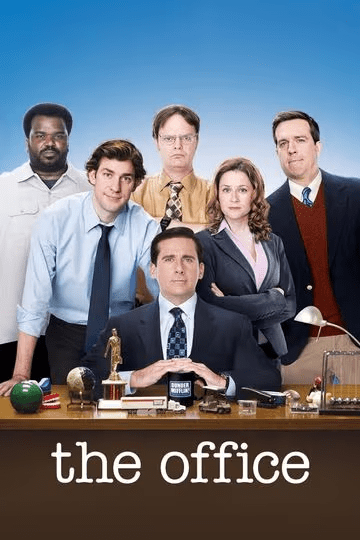
Case #004: The Office (US)
Premiered: 2005
Developed by: Greg Daniels (Boomer/Gen X)
Let’s be clear: The Office is not a workplace comedy. It’s a crisis disguised as paper sales.
Michael Scott is every Gen X cautionary tale in Dockers. Jim and Pam are smart, talented people slowly giving up on their dreams.
This wasn’t a celebration of quirky office life. It was a cry for help behind a vending machine.
Millennials adopted the show like a weighted blanket. It became their background noise, their personality quiz, their friend group. And that’s fine.
But this was never meant to comfort. It was meant to quietly scream.
Verdict:
Gen X office culture. Millennial binge culture.
We lived it. They softened it.

Case #005: Stranger Things
Premiered: 2016
Created by: The Duffer Brothers (Millennials)
The synths, the BMX bikes, the government secrets, the deadbeat dads; this show is made from our childhood fears, dressed up in neon.
Everything about it is Gen X: kids left unsupervised, riding through danger, trying to fix what adults broke.
But it’s made with millennial sentiment – more heart, more hugs, more group therapy.
Gen Z turned it into TikToks and style boards.
We just watched and said, “Yeah. That’s about right.”
Verdict:
Built from Gen X memory. Styled by Millennials. Marketed to Gen Z.
We’re the Upside Down. Everyone else is just visiting.
Fast Lane Docket: No Trial Needed
Mad Men
Don’s a Boomer. The collapse inside him? All Gen X.
Verdict: We saw the warning. Millennials can keep the gifs.

Freaks and Geeks
No arcs. Just adolescent dread and hallway humiliation.
Verdict: Gen X, forever.

Six Feet Under
A funeral home full of people pretending they’re fine.
Verdict: Ours. Don’t even try.

Daria
Deadpan. Isolated. Smarter than everyone and bored by it.
Verdict: Gen X deity.

My So-Called Life
No closure. Just raw nerves and eyeliner.
Verdict: Gen X teen gospel.
You Can Keep These
No fight. No shame. Just… take them.

The Big Bang Theory
Catchphrase nerds and Funko Pop energy. Comfort food TV.
Verdict: All yours, Millennials. We’ll be over here rewatching Firefly.

Glee
Emotional chaos with jazz hands.
Verdict: Please keep it. Forever.

How I Met Your Mother
Rom-com gaslighting and legendary letdowns. Fun show ‘though.
Verdict: Yours. We’re good.

Grey’s Anatomy
Workplace trauma musical montage edition.
Verdict: We process differently.

New Girl
Adorkable confusion and kooky roommate charm.
Verdict: We get it. We just don’t get it. Cute ‘though.

Ted Lasso
Emotional fluency, toxic positivity detox, and an endless stream of inspirational monologues wrapped in soccer analogies. Gen X grew up with coaches who told us to “walk it off” and dads who didn’t say “I’m proud of you” unless we were on fire.
Ted’s a good guy. But he’s not our guy.
Verdict: All yours, Millennials. May your workplaces be safe, and your father figures communicative.
To Be Continued…
Not every show fits in a clean box. Some are split custody. Some are cultural stepchildren.
But we’re not done.
Coming soon:
BoJack Horseman on the therapist’s couch Girls on trial for generational fraud
Mr. Robot and the code of loneliness
Euphoria as a visual panic attack
Because at the end of the day, these aren’t just shows. They’re memory maps. Emotional GPS.
They remind us who we were — and who we thought we’d be.

One Last Thing…
We’ll admit it.
Roseanne was ours.
The working-class sarcasm, the kitchen table politics, the late-night laughs through clenched teeth — that show hit hard because it was hard. And real. And messy.
We saw our families in it. We saw ourselves.
But now?
Someone please take her.
We’re not claiming the reboot. Or the tweets. Or the slow-motion cultural trainwreck.
We already have enough unresolved issues without this on our record.
TV Custody Battle
Where generational trauma settles out of court…
Discover more from Genex Geek
Subscribe to get the latest posts sent to your email.
 Genex Geek
Comment like it’s a middle school slam book, but nicer.